

High Blood Pressure: Know Your Numbers
admin
Key Takeaways
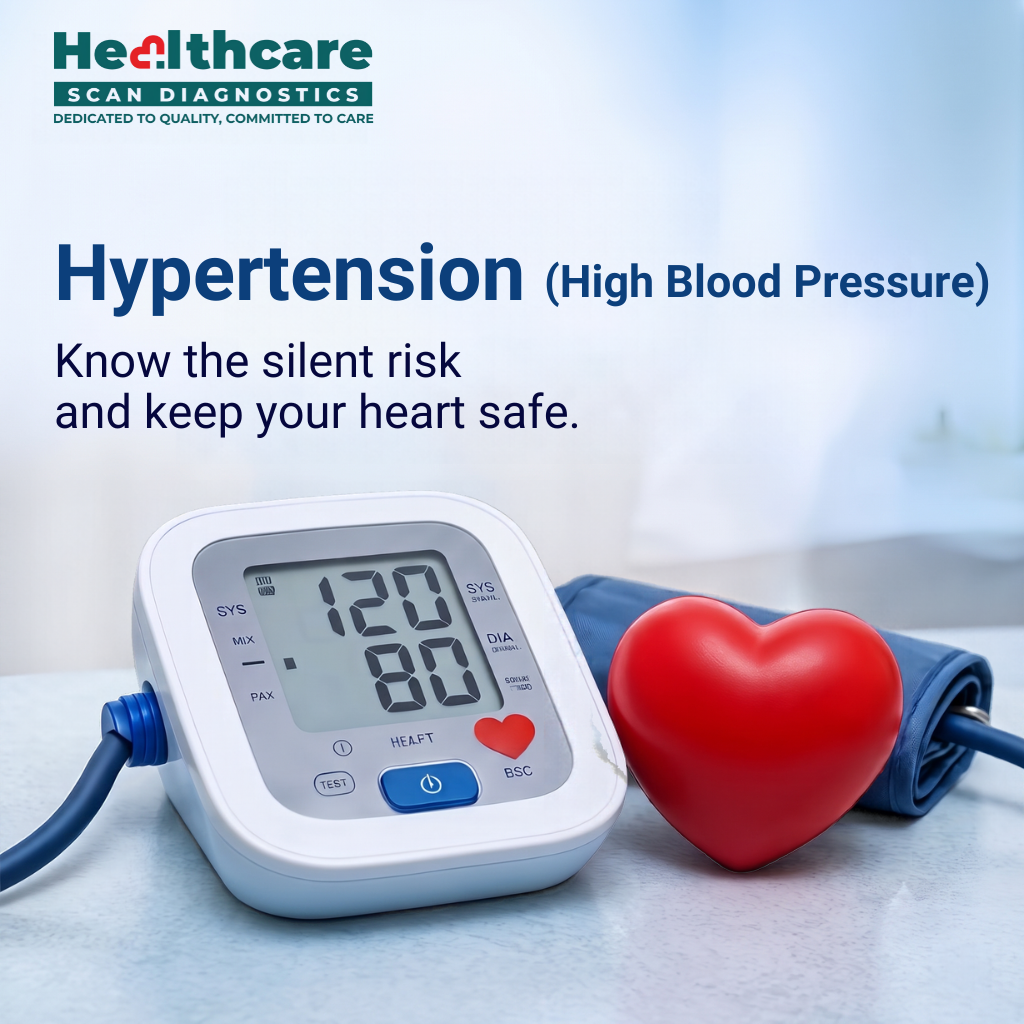
High blood pressure often has no noticeable symptoms. Regular monitoring is essential, even when you feel healthy.
Uncontrolled hypertension increases the risk of heart attack, stroke, heart failure and kidney disease.
Healthy lifestyle changes and prescribed medication can help manage blood pressure effectively.
According to the 2025 American Heart Association (AHA)/American College of Cardiology (ACC) guideline, Stage 1 hypertension begins at 130/80 mm Hg, while Stage 2 begins at 140/90 mm Hg.
Early detection and consistent follow-up can help prevent serious complications.
Why Does High Blood Pressure Matter?
Blood pressure is the force exerted by circulating blood against the walls of your arteries. When this pressure remains consistently high, your heart has to work harder to pump blood throughout your body.
Over time, this increased strain can damage blood vessels and vital organs, increasing the risk of:
Heart disease: Including coronary artery disease and heart failure.
Stroke: Damage to blood vessels in the brain can increase the risk of a stroke.
Kidney disease: Persistent high blood pressure can damage the kidneys and impair their function.
Other complications: Including vascular damage and an increased risk of cardiovascular disease.
The World Health Organization (WHO) reported in 2023 that approximately four out of five people with hypertension were not adequately treated worldwide. It also highlighted that improving hypertension detection and treatment could prevent an estimated 76 million deaths between 2023 and 2050.
This makes regular blood pressure screening and timely treatment important public health priorities.
Know Your Blood Pressure Numbers
Blood pressure is recorded using two measurements:
Systolic pressure (the upper number): The pressure in your arteries when your heart contracts and pumps blood.
Diastolic pressure (the lower number): The pressure in your arteries when your heart relaxes between beats.
Your reading is expressed in millimetres of mercury (mm Hg).
Blood Pressure Categories
The 2025 AHA/ACC guideline classifies adult blood pressure readings as follows:
| Category | Systolic (upper) | Diastolic (lower) |
|---|---|---|
| Normal | Below 120 | Below 80 |
| Elevated | 120–129 | Below 80 |
| Stage 1 Hypertension | 130–139 | 80–89 |
| Stage 2 Hypertension | 140 or higher | 90 or higher |
Note: For Stage 1 and Stage 2, either the systolic or diastolic threshold can establish the higher category. These are US guideline classifications; diagnostic thresholds and clinical recommendations may differ across countries.
The 2025 AHA/ACC guideline recommends a general treatment target of below 130/80 mm Hg for adults, with individual considerations for certain patient groups.
Your doctor will determine the appropriate target based on your age, medical history, cardiovascular risk and overall health.
What Can You Do to Manage High Blood Pressure?
Managing hypertension requires a consistent approach. The right combination of lifestyle changes, medical supervision and medication, when required, can help maintain healthy blood pressure levels.
1. Monitor your blood pressure regularly
Do not wait for symptoms to appear. Get your blood pressure checked periodically, even if you feel well. If advised by your doctor, maintain a home blood pressure record.
2. Follow a heart-healthy diet
Reduce excess salt and highly processed foods. Include vegetables, fruits, whole grains and other nutritious foods in your daily meals.
3. Stay physically active
Engage in regular physical activity, such as walking, cycling or other exercises appropriate for your health and fitness level.
4. Maintain a healthy weight
Achieving and maintaining a healthy body weight can help improve blood pressure control.
5. Manage stress and prioritise sleep
Adopt healthy stress-management habits and maintain a consistent sleep routine.
6. Take prescribed medication consistently
If your doctor prescribes blood pressure medication, take it as directed. Do not stop, skip or change your medication without medical advice.
Frequently Asked Questions
1. Can I have high blood pressure without experiencing symptoms?
Yes. Hypertension frequently develops without noticeable symptoms. A person may feel completely healthy despite having persistently elevated blood pressure. Regular checks are therefore important.
2. Does everyone with high blood pressure need medication?
Not necessarily. Treatment depends on your blood pressure readings, cardiovascular risk and other health conditions. Some people may initially benefit from lifestyle changes, while others require medication alongside lifestyle modifications.
3. How often should I check my blood pressure?
The frequency depends on your readings and medical history. Your doctor may recommend periodic clinic measurements or regular home monitoring if you have elevated blood pressure or diagnosed hypertension.
4. Can high blood pressure be controlled?
Yes. With appropriate lifestyle changes, regular monitoring, medical supervision and medication when required, most people can achieve better blood pressure control.
When Should You Seek Urgent Medical Attention?
A very high blood pressure reading, particularly above 180/120 mm Hg, requires prompt attention.
If you experience chest pain, breathlessness, sudden weakness or numbness, difficulty speaking, changes in vision or other symptoms suggesting a stroke or heart problem, seek emergency medical care immediately.
If your reading is above 180/120 mm Hg without these symptoms, wait at least one minute and measure it again. If it remains very high, contact a healthcare professional immediately for advice.
Do not wait for symptoms before getting your blood pressure checked.
Take the First Step Towards Better Heart Health
High blood pressure is manageable, but early detection makes a difference. Knowing your numbers, understanding your cardiovascular risk and following the right medical advice can help protect your health in the long run.
Make regular health checks a priority. Your heart deserves attention, even when you feel perfectly fine.
For blood pressure assessment and consultation with a general physician, contact Healthcare Scan Diagnostics, Central Kolkata.
Book your appointment: +91 78900 11555
Website: https://www.healthcarescan.in/
Medical Disclaimer: This article is intended for general educational purposes and does not replace professional medical advice, diagnosis or treatment. Blood pressure categories and treatment recommendations may vary according to clinical guidelines and individual circumstances. Always consult a qualified healthcare professional for personalised medical advice.
Related Articles
Knee Osteoarthritis: Non-Surgical Care That Works
Knee pain, stiffness and difficulty walking can gradually affect your ability to carry out everyday...
Rheumatoid Arthritis: Why Early Treatment Matters
Rheumatoid arthritis (RA) is a chronic autoimmune condition that causes inflammation, pain and swell...