


Understanding Essential Tremor: Causes, Symptoms, Differential Diagnosis & Treatment Options
admin
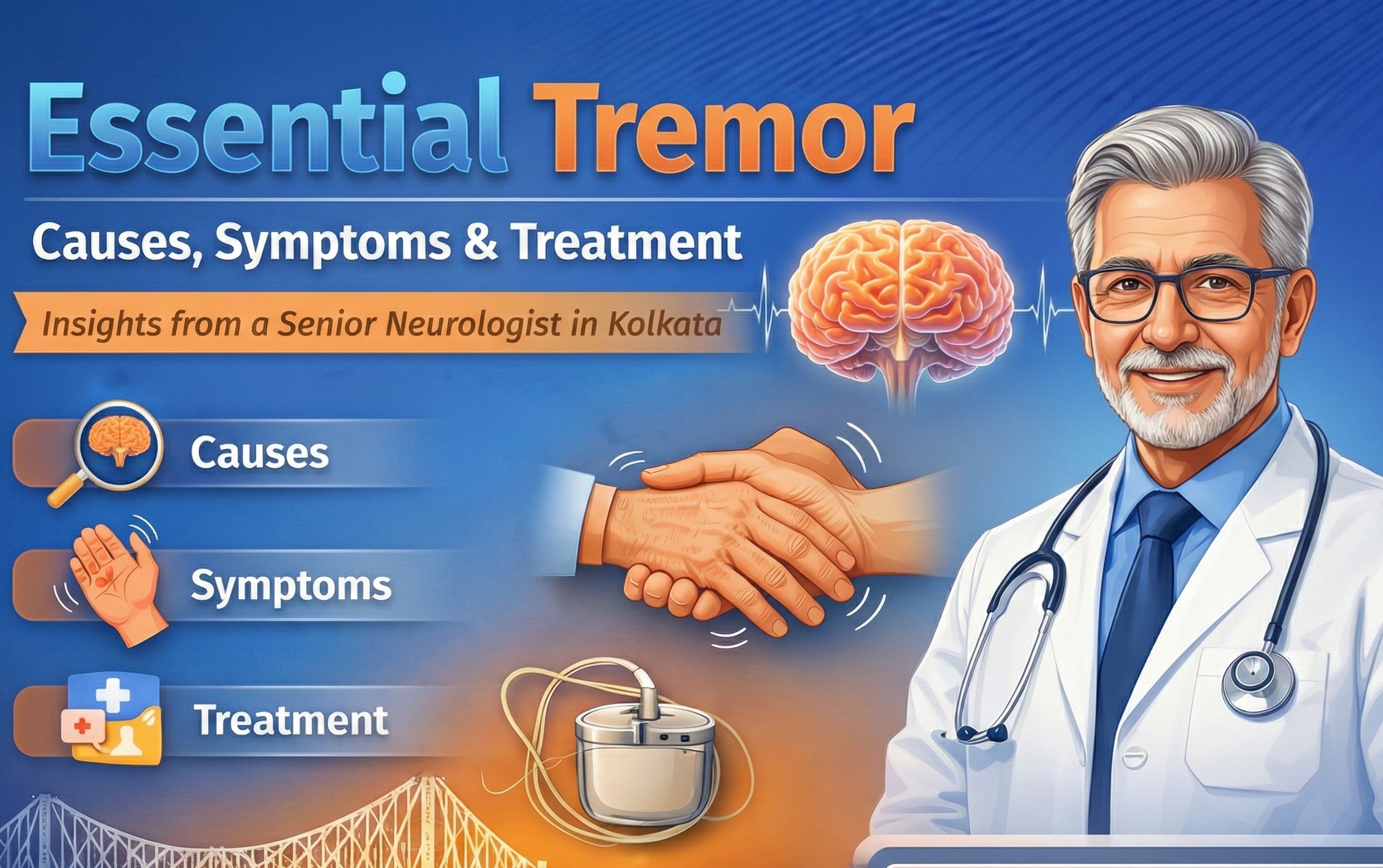
As a senior neurologist practicing in Kolkata, I often meet patients who come in worried about shaky hands, difficulty writing, or trembling during daily activities. While many fear Parkinson’s disease, a large number are diagnosed with Essential Tremor (ET)—one of the most common movement disorders worldwide.
This article provides a comprehensive overview of essential tremor—its causes, symptoms, differential diagnosis, and treatment options—along with practical tips for living confidently with the condition.
What Is Essential Tremor?
Essential tremor is a neurological movement disorder marked by involuntary, rhythmic shaking, most commonly affecting the hands.
Unlike Parkinsonian tremor, essential tremor typically occurs during movement or while maintaining posture, not at rest.
Research suggests abnormal activity within the cerebellum and motor pathways contributes to this condition. ET is often hereditary and may progressively worsen over time.
Symptoms of Essential Tremor
Common symptoms include:
Hand tremor during activity (writing, holding objects, eating)
Head tremor (“yes-yes” or “no-no” movements)
Voice tremor (shaky or quivering voice)
Tremor in the arms, legs, or trunk
Symptoms often worsen with:
Stress and anxiety
Fatigue or inadequate sleep
Caffeine
Certain medications
Differential Diagnosis: Other Causes of Tremor
Not all tremors are caused by essential tremor. Proper evaluation by a neurologist is essential. The main alternative diagnoses include:
1. Parkinsonian Tremor
Occurs at rest
Often begins on one side
Associated with stiffness, slowed movement, gait changes
2. Dystonic Tremor
Occurs in people with dystonia
Tremor is irregular and may improve with a “sensory trick”
Involves abnormal postures of the head or limbs
3. Cerebellar Tremor
Caused by cerebellar lesions due to stroke, MS, tumor, or alcohol toxicity
Tremor occurs at the end of movement
Often accompanied by balance and coordination issues
4. Enhanced Physiological Tremor
Triggers include:
Stress or anxiety
Caffeine
Thyroid overactivity
Low blood sugar
Tremor is fast and fine; reducing triggers helps.
5. Drug-Induced Tremor
Caused by medications such as:
Lithium
Valproate
Antidepressants
Bronchodilators
Stimulants
6. Neuropathic Tremor
Seen in peripheral neuropathy; often accompanied by numbness, tingling, or weakness.
7. Psychogenic (Functional) Tremor
Sudden onset
Variable frequency
Improves with distraction
Risk Factors for Essential Tremor
1. Genetics
A strong familial link; children have a 50% chance of inheriting ET from an affected parent.
2. Age
Most commonly diagnosed after age 40, but may appear earlier.
3. Medical Conditions
Thyroid disorders, diabetes, kidney disease, and chronic anxiety may worsen tremor.
Treatment Options for Essential Tremor
While there is no cure, effective treatments can significantly reduce symptoms.
1. Medications
Beta-blockers (propranolol)
Antiseizure medications (primidone, topiramate)
Anti-anxiety medications (short-term use)
Gabapentin (select cases)
Medication choice is individualized based on severity and patient profile.
2. Physical & Occupational Therapy
Helps improve motor control and daily functioning. Adaptive tools may include:
Weighted utensils
Special writing aids
Tremor-canceling devices
3. Lifestyle Modifications
Reduce caffeine intake
Practice yoga, meditation, and relaxation techniques
Maintain adequate sleep
Engage in regular physical activity
Avoid known triggers
4. Advanced Treatments
Deep Brain Stimulation (DBS)
A highly effective surgical option for severe, medication-resistant tremors.
MRI-Guided Focused Ultrasound (MRgFUS)
A non-invasive technique available in select neurosurgical centers.
Both target the thalamus, a key tremor-control region.
Living with Essential Tremor
Many individuals with essential tremor lead active and fulfilling lives with proper support. Tips include:
Using adaptive devices for daily tasks
Maintaining overall wellness through physical activity
Reducing stress
Joining support groups
Regular follow-up with a neurologist
⚠️ Disclaimer
🔔 This article is for informational and educational purposes only. It is not a substitute for professional medical advice, diagnosis, or treatment. Please consult your doctor or neurologist for personalised medical guidance.
👨⚕️About Author
Dr. Haseeb Hassan | Senior Neurologist, Kolkata (20+ Years Exp)🧠 Dedicated to advanced neurological care and personalized patient recovery.
Related Articles
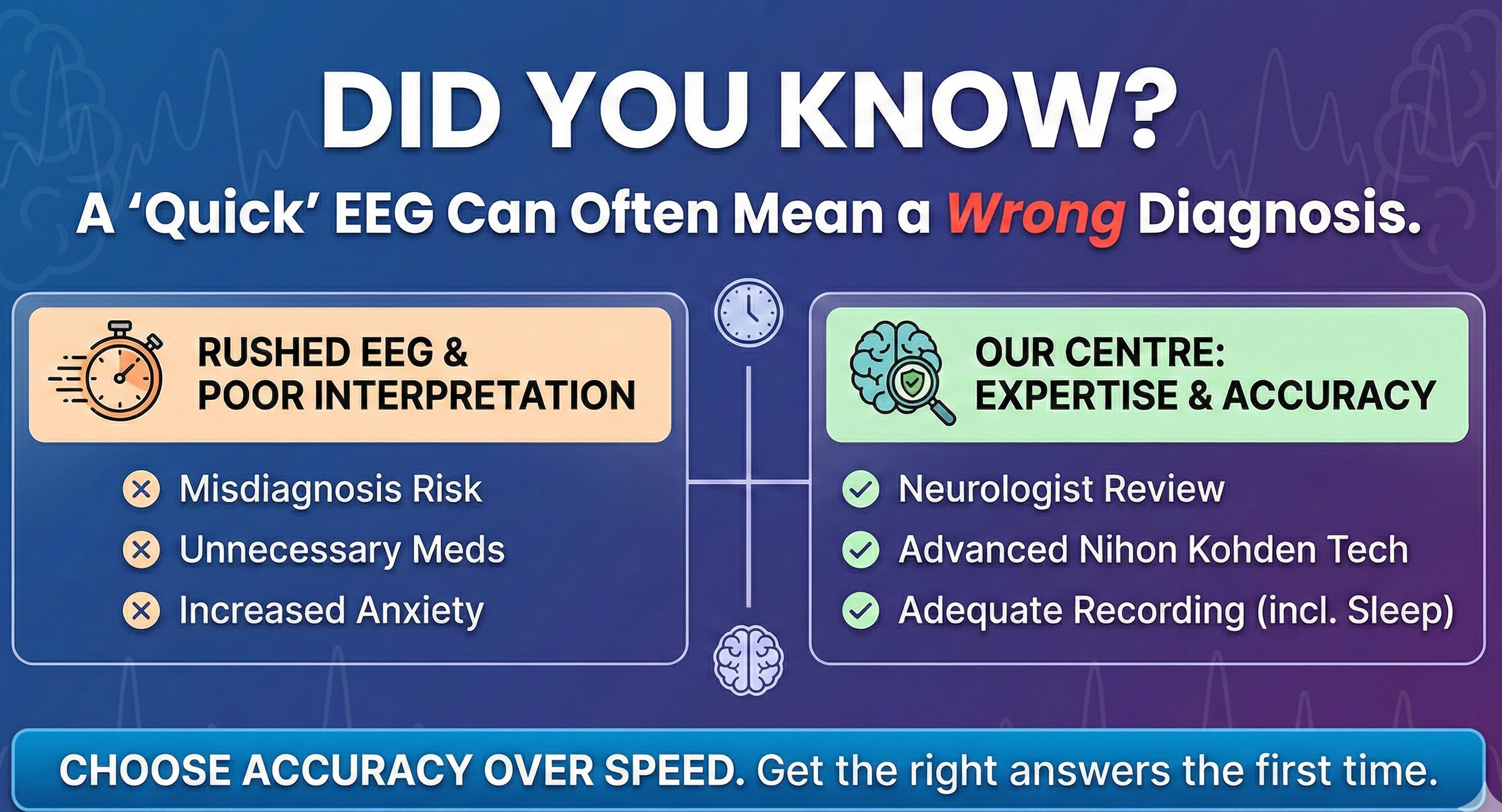
Why Choosing the Right Centre for Your EEG Matters Most
This blog highlights the critical importance of diagnostic accuracy in EEG testing. Through two real...
Epilepsy: Insights from Dr. Haseeb Hassan, Senior Neurologist at Healthcare Scan Diagnostics
Epilepsy is a common neurological disorder marked by recurrent seizures. Dr. Haseeb Hassan at Health...