

The Healing Power of Physiotherapy in Stroke: Rebuilding Movement, Restoring Independence
admin
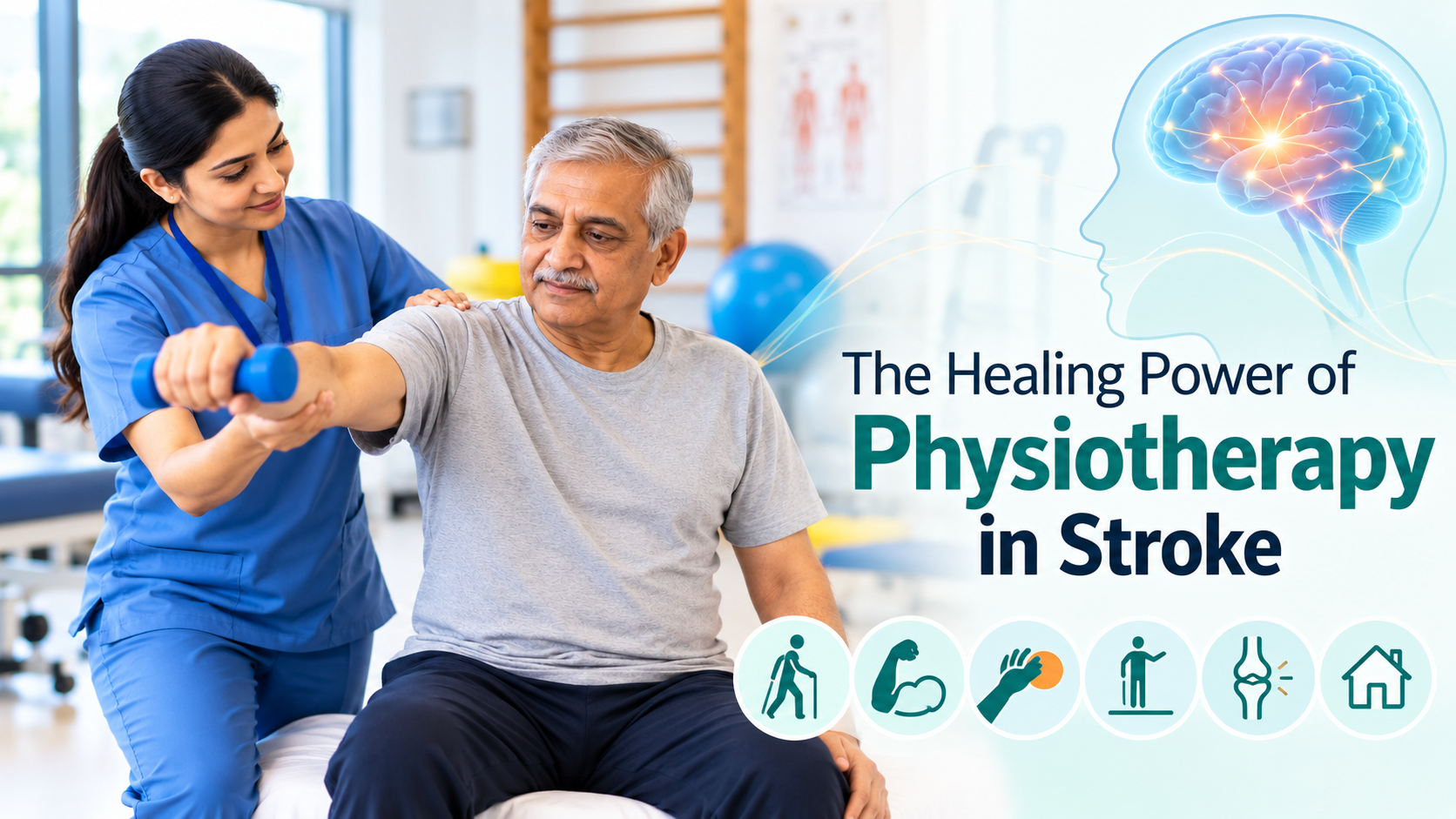
A stroke can change a person’s life in a matter of minutes. Everyday activities such as walking, eating, dressing, speaking, or even sitting upright may suddenly become challenging. For survivors and their families, the journey after a stroke can feel overwhelming.
But recovery does not end when emergency treatment is completed.
Stroke rehabilitation is a vital part of recovery, and physiotherapy plays a central role in helping survivors regain movement, rebuild strength, improve balance, and reclaim their independence. Although rehabilitation cannot reverse every effect of a stroke, the right programme can help the brain and body adapt, make the most of their remaining abilities, and achieve meaningful improvements in daily life.
What happens to the brain after a stroke?
A stroke occurs when the blood supply to part of the brain is interrupted or when bleeding damages brain tissue. The affected brain region may no longer control movement, sensation, balance, coordination, or other functions normally.
Depending on the location and severity of the stroke, a person may experience:
Weakness or paralysis of one side of the body.
Difficulty standing, walking, or maintaining balance.
Reduced control of the arm, hand, or fingers.
Muscle stiffness, abnormal muscle tone, or spasms.
Difficulty coordinating movements or performing everyday tasks.
Fatigue, reduced endurance, and fear of falling.
The encouraging news is that the brain has an ability known as Neuroplasticity— the capacity to reorganise its connections and adapt through experience and practice. Rehabilitation takes advantage of this ability by repeatedly practising meaningful movements and everyday activities.
How does physiotherapy help after a stroke?

Frequently asked questions
1. When should physiotherapy start after a stroke?
As soon as the patient is medically stable and the treating team considers it safe. The timing and intensity depend on the clinical situation.
2. Can a paralysed patient walk again?
Some patients recover walking ability, while others need a walking aid or ongoing assistance. Prognosis depends on the severity of the injury and individual recovery factors.
3. Is home physiotherapy effective?
Home-based rehabilitation can be effective when it is appropriately planned, supervised, and matched to the patient's needs. Some patients benefit from a combination of home and centre-based sessions.
4. Is it too late to start rehabilitation several months after a stroke?
Not necessarily. Even after the early recovery period, targeted practice and functional training may help improve abilities or maintain function. A rehabilitation assessment can identify realistic goals.
5. Can physiotherapy prevent another stroke?
Physiotherapy can help improve physical activity and cardiovascular fitness when appropriately prescribed, but it does not replace medical measures for preventing another stroke, such as blood pressure management, indicated antithrombotic therapy, cholesterol management, and treatment of the underlying cause.
Every step forward matters
Stroke recovery is rarely a straight line. There may be encouraging days, difficult days, and periods when progress seems slow. What matters is a personalised plan, appropriate practice, ongoing assessment, and support from a coordinated rehabilitation team.
Physiotherapy is more than a series of exercises. It is a structured process of relearning movement, developing confidence, and helping people participate more fully in their lives.
The goal of stroke rehabilitation is not merely to help patients move again. It is to help them live as independently, safely, and meaningfully as possible.
About the Author
 | Dr Haseeb Hassan, MD (Medicine), DM (Neurology), is a Consultant Neurologist at Healthcare Scan Diagnostics. He is committed to patient education and promoting awareness of neurological disorders and evidence-based care. |
Disclaimer: This article is intended for educational purposes only and does not replace individual medical consultation.
Related Articles

Embracing the Spirit of Ramadan Safely: A Doctor’s Guide to Managing Diabetes
A senior endocrinologist explains how people with diabetes can approach Ramadan safely: get a risk a...
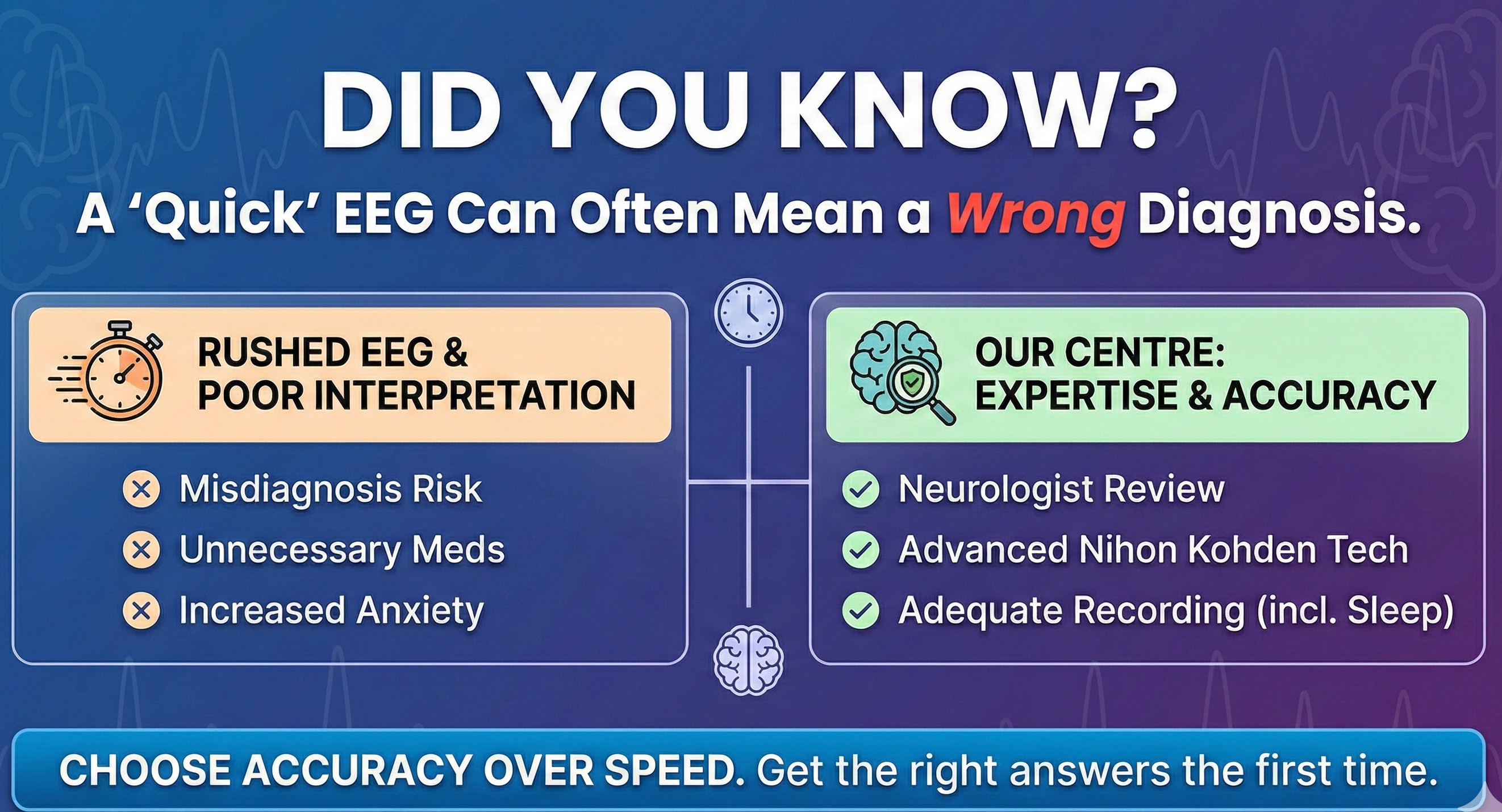
Why Choosing the Right Centre for Your EEG Matters Most
This blog highlights the critical importance of diagnostic accuracy in EEG testing. Through two real...